


An autumn reset is the yearly ritual that productive people quietly swear by while everyone else waits for January, and the logic behind it is hard to argue with.
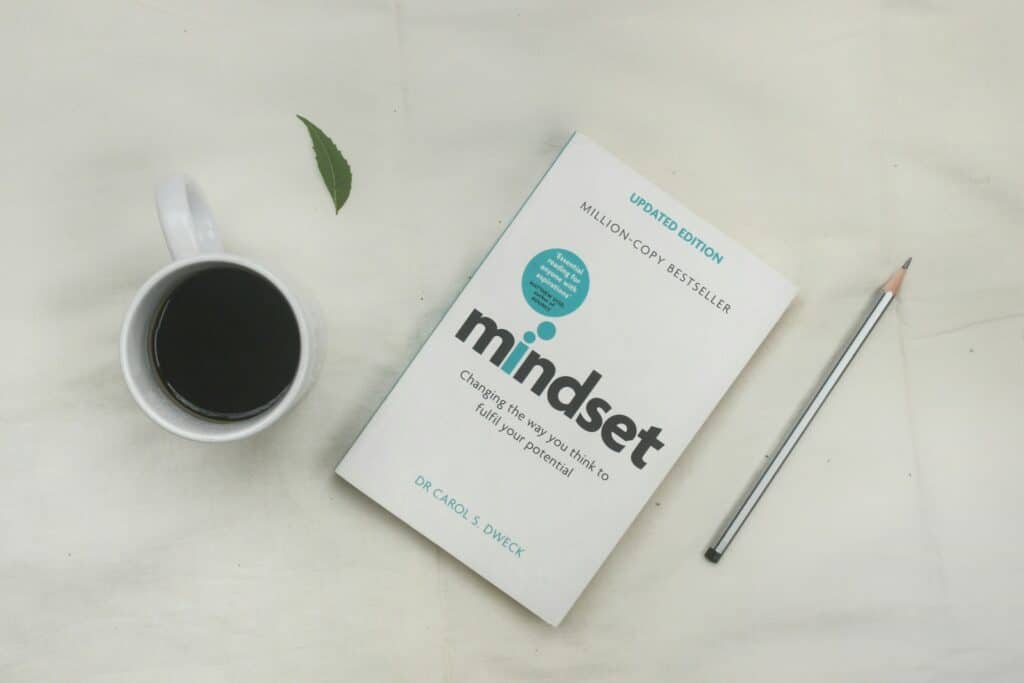
September arrives with built-in fresh-start energy, school rhythms return, work wakes up from summer mode, and the calendar itself seems to clear its throat, yet most of us stumble into fall dragging summer’s scattered routines behind us. Sleep schedules are wrecked, exercise is a memory, the inbox is a crime scene, and the goals from January have not been seen since April.
The reset fixes this in one deliberate week instead of three accidental months, and this guide walks through it in eight steps, from an honest review of the year so far to the small rituals that make new routines stick through the dark months. At the end waits a ready-made weekly plan you can copy straight into your calendar. No productivity heroics required, just a week of intention while the season does half the work for you.
Why September beats January for fresh starts
Researchers who study behavior change talk about the fresh start effect, the documented boost in motivation that arrives at temporal landmarks, new years, new months, birthdays, and, crucially, the start of the school-year rhythm that most of us carry from childhood whether we have kids or not.
September triggers that effect with better conditions than January ever offers. The weather still cooperates for outdoor habits, daylight has not yet collapsed, there is no holiday season lurking two weeks away to demolish your streaks, and the surrounding culture is shifting into work mode rather than recovery mode.
January asks you to change your life in the dark, mid-feast, while broke. September just asks you to come back from vacation slightly better organized.
There is also a practical argument about runway. A reset done now gives you four clean months to build momentum before the year ends, which is enough time to make real progress on a goal or lock in a habit deeply enough to survive the holidays.
The same reset attempted in January typically spends its first month fighting post-holiday fatigue. People who treat September as their true new year consistently report finishing years stronger, not because autumn is magic, but because they gave their best intentions a head start and a fair fight.
The 8 steps of an autumn reset
Step 1. Review the year so far, without the guilt
Every reset starts with an honest look backward, thirty minutes with a notebook and three questions. What actually went well this year, what quietly fell apart, and what did I learn about myself in the process. The goal is data, not judgment, so abandoned gym memberships and dead projects get recorded as findings rather than failures.
Most people discover the same pattern, the habits that survived were tied to a fixed time and place, and the ones that died were floating intentions. That single insight is worth the whole exercise, because it tells you exactly how to build the next attempt.
Step 2. Pick three priorities for the final stretch
Four months remain in the year, which is enough for three meaningful priorities and not one more, so choose them deliberately, one for work or craft, one for health, one for relationships or personal life. Writing them as outcomes with a date, finish the draft by December, run five kilometers comfortably, restore the Sunday family dinner, turns wishes into targets.
Everything else that competes for attention this fall gets measured against the three, and the measuring sentence is simple. Does this serve a priority, or does it just feel urgent.
Step 3. Fix your sleep before you fix anything else
Summer dismantles sleep schedules with long evenings and looser mornings, and no routine survives on a wrecked circadian rhythm, so sleep gets repaired first. The method is gradual, shift bedtime and waking earlier by fifteen minutes every few days until you reach your target, anchor the wake time on weekends too, and reintroduce an evening wind-down, screens off, lights lower, something analog in hand.
Within two weeks the earlier autumn darkness becomes an ally instead of a mood problem. Every other step on this list gets easier on eight hours, which is why this one refuses to be skipped.
Step 4. Rebuild the morning, smaller than before
The classic reset mistake is designing a ninety-minute miracle morning that dies by Thursday, so the autumn version goes the opposite way, a deliberately small morning anchor of twenty to thirty minutes that you can defend every single day. The formula that works for most people has three beats, light and movement first, a few minutes outside or by a window, then one focused act toward a priority before the inbox opens, then the ordinary rituals.
The point is not optimization, it is ownership, starting the day on your agenda instead of everyone else’s. Small and daily beats impressive and occasional, in autumn more than ever.
Step 5. Do a calendar and commitments audit
Summer lets obligations accumulate like sediment, standing meetings that lost their purpose, subscriptions renewing unwatched, social commitments accepted in July optimism, and the reset week is when the sediment gets dredged. Go through the recurring calendar and ask of each item whether you would add it today, cancel or shrink what fails the test, and decline the September requests that serve none of your three priorities.

Then protect the reclaimed space visibly, blocking two or three deep work sessions and one genuinely free evening per week before anyone else claims them. An audited calendar is the difference between a reset and a resolution.
Step 6. Reset your spaces, physical and digital
Environment drives behavior more than willpower (stamina) does, so one afternoon goes to the spaces where your routines live. The desk gets cleared to match the work you actually want to do, the running shoes move to the door, the fruit bowl returns to the counter, and the props of dead habits get retired without ceremony. The digital half matters just as much, inbox emptied or declared bankrupt, phone home screen reduced to tools, notifications re-silenced after summer’s loosening, files from the chaotic months filed.
None of this is decorating. It is placing bets on your own future behavior, and stacking the odds.
Step 7. Install one keystone habit for the dark months
Rather than launching five habits at once, the reset installs one keystone, a single routine chosen because it drags others along behind it. For most people the strongest candidates are daily movement, which improves sleep, mood, and food choices without further effort, an evening shutdown ritual that ends work cleanly, or a short daily review on paper.
The installation rules are the ones behavior science keeps confirming, attach it to an existing anchor, make it laughably small at first, and track it somewhere visible. One habit held through October is worth more than five attempted through September, because by the time winter arrives, it no longer costs willpower.
Step 8. Schedule the checkpoints now
The final step protects the reset from the fate of every January plan, silent erosion, and the protection is embarrassingly simple, appointments with yourself, booked now. A fifteen-minute weekly review, same day, same time, to look at the three priorities and the keystone habit, and one longer checkpoint in late October to adjust course before the holiday season arrives with its chaos.
Reviews are where drifting plans get caught early, while the correction is still cheap. Put them in the calendar today, during the reset, because the version of you in November will not add them voluntarily.
Reset mistakes worth avoiding
Three traps catch most September optimists, and knowing them in advance is half the defense.
The first trap is the everything reset, attempting to overhaul sleep, diet, exercise, work, and finances in the same week, which produces a spectacular Monday and a defeated Friday, because willpower is a shared budget and five projects drain it five times faster. The cure is the structure above, three priorities, one keystone habit, and patience with everything else.
The second trap is confusing planning with progress, spending the reset week color-coding systems and buying planners while the actual behaviors wait, a cozy form of procrastination that autumn, with its back-to-school stationery energy, particularly encourages. One hour of planning per day of doing is a generous ratio, and anything beyond it is shopping.
The third trap is the perfectionist restart, the belief that a broken streak in October means the reset failed and the real attempt should wait for January. This all-or-nothing reflex kills more routines than any lack of discipline, because ordinary life guarantees missed days, sick weeks, and chaotic stretches.
The professionals of habit maintenance follow a different rule, never miss twice, meaning one skipped day is a data point and two is a decision, so the comeback happens tomorrow morning, not next quarter. An autumn reset is not a streak to protect but a direction to keep returning to, and the returning, it turns out, is the entire skill.
Your reset week, ready to copy
Here is the whole system compressed into one calendar week, adjustable to taste:
- Monday – year-so-far review and choose your three priorities
- Tuesday – begin the sleep shift and design the small morning anchor
- Wednesday – calendar and commitments audit, cancel and decline accordingly
- Thursday – physical space reset, desk, gear, and props in position
- Friday – digital reset, inbox, phone, notifications, files
- Saturday – choose the keystone habit and set up its anchor and tracking
- Sunday – book the weekly reviews and the October checkpoint, then rest
One week, roughly an hour a day, and October begins with routines that fit the season instead of fighting it.
Keeping it alive when the clocks change
The honest final chapter concerns late autumn, because the real test of any reset arrives when daylight shrinks and enthusiasm follows. Expect the dip, plan for it, and lower the bars rather than dropping the habits, a ten-minute walk instead of a run, three lines in the journal instead of a page, because a shrunken routine survives and a suspended one rarely returns.

Light becomes a strategy in itself, morning brightness, lunchtime outside when possible, and evenings arranged to be warm rather than bleak, since cozy is the sustainable version of disciplined in November. The people who arrive at December still running their September systems are not the most motivated ones, they are the ones who made the systems small enough to carry through the dark.
And if the whole framework still feels like too much this week, run the minimum viable version of the autumn reset in a single evening, fix the bedtime, pick one priority, install one habit, book one weekly review. Four moves, one hour, and the fresh-start energy of September gets something real to push.
The season is already turning either way. The only question is whether your routines turn with it on purpose, and that, unlike most things this fall, is entirely up to you.