


Digital minimalism is the practice of deciding, deliberately, which technology earns a place in your life and quietly removing everything else. It is not a rejection of phones, apps or the internet, and it has very little to do with buying a paper notebook or a dumb phone.
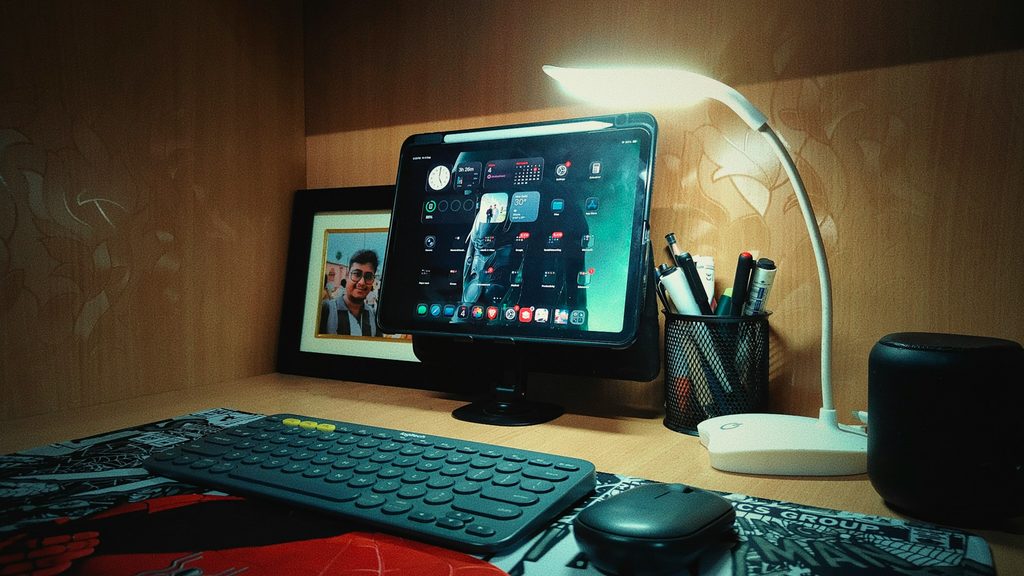
The idea is closer to how most people already treat their homes and says that you keep the things you use and love, and you let go of the rest. What makes the digital version harder is that apps are designed to resist being let go, and that the clutter is invisible until you look for it. The good news is that a handful of changes, applied consistently, do most of the work.
What Is Digital Minimalism, and What Is It Not?
At its core, digital minimalism is a filter rather than a restriction. Every tool has to justify itself by pointing to something you actually value, and if it cannot, it goes. That means the same app can be essential for one person and clutter for another: a messaging group is a lifeline if it is how your family stays in touch, and noise if you mute it every evening anyway. The question is never whether a tool is good in the abstract, but whether it serves a purpose you would defend out loud.
It is worth naming what digital minimalism is not, because the misconceptions put people off before they start. It is not a screen time competition, and dropping from five hours to three means nothing if the three hours are spent the same way. It is not digital detox either, which is a short break followed by an identical return. And it is not anti-technology, since people who practise it often use more powerful tools than average, just far fewer of them. The goal is intentional living applied to a phone, not abstinence.
Why Your Attention Feels Fragmented
Most of the difficulty comes down to how modern apps are built. Infinite feeds have no natural end point, which removes the moment where you would otherwise stop, and variable rewards make each refresh feel slightly promising.
Notifications interrupt on someone else’s schedule rather than yours, and every interruption costs more than the seconds it occupies.
Research on task switching consistently shows that it takes several minutes to fully return to a demanding task after a break in focus. Twenty small interruptions across a working day can therefore erase most of the deep work in it.
There is a second, quieter cost that people notice only when it stops. Filling every small gap with a screen, at the bus stop, in a lift, waiting for the kettle, removes all the idle moments the mind uses to process things. Ideas, solutions and half-formed plans tend to surface in exactly those gaps, which is why so many people report their best thinking in the shower or on a walk.
When the gaps disappear, the thinking disappears with them and is replaced by a vague tiredness. Protecting boredom is one of the least intuitive and most valuable parts of the practice.
6 Steps to Take Back Your Attention
These six steps are ordered deliberately, from the ones with the biggest effect per minute of effort to the ones that need more thought. Doing the first two alone will change how your days feel.
1) Turn off every notification you did not choose
Go into settings and switch off notifications for everything except real-time human communication and genuinely urgent alerts. In practice that usually leaves calls, messages from actual people and perhaps a calendar reminder. Everything else, including news, shopping, social apps, games and “someone you may know” prompts, exists to pull you back rather than to inform you. This single change removes most of the involuntary phone checks in a day.
2) Take the tempting apps off your home screen
Your home screen should hold tools you open on purpose, not feeds you fall into. Move the attention-hungry apps into a folder on a later page, or delete them from the phone and use the browser version, which is deliberately clunkier. Adding that extra two seconds of friction breaks the automatic pattern of unlocking and tapping in the same place. Many people find that half their usage disappears without any willpower at all.
3) Set physical boundaries rather than rules
Rules about how much you will use your phone rarely survive a tired evening, but physical arrangements do. Charge the phone in another room overnight and buy a cheap alarm clock. Keep it out of the bedroom, off the dinner table and in a bag rather than a pocket during focused work. Good phone habits come from where the device is, not from how strongly you intend to behave.
4) Declutter what is left, honestly
Set aside twenty minutes for a proper round of decluttering. Delete every app you have not deliberately opened in a month, unsubscribe from newsletters you scroll past, unfollow accounts that leave you flat, and leave group chats you only mute. Archive rather than delete if it makes the decision easier, since almost nothing is truly irreversible. The aim is a phone where every icon is there for a reason you can state.
5) Give the day a shape
Decide in advance when you will and will not be reachable, then let the shape do the work. A common version is no screens in the first thirty minutes after waking and the last hour before sleeping, with email and messages checked in two or three defined blocks rather than continuously. Tell the people who need to know, because most frustration with slower replies comes from surprise rather than the delay itself. Within a week or two the pattern stops requiring any effort.

6) Replace, do not just remove
This is the step people skip, and it is why most attempts fail by the second week. Removing an hour of scrolling leaves an hour-shaped hole, and if nothing fills it the old habit walks straight back in. Decide beforehand what the time is for: reading, walking, cooking properly, an instrument, a friend, a project you keep postponing. Attention goes somewhere whether you direct it or not, so direct it.
Digital Minimalism for Beginners
If the six steps feel abstract, a time-boxed reset turns them into something concrete. The approach is straightforward. For thirty days, step away from every optional technology in your life, then reintroduce only the ones that earn their place. Optional means anything that is not required for work, safety or staying in contact with people who depend on you. Most people find the first four or five days genuinely uncomfortable and the rest surprisingly easy.
A workable structure for the month looks like this:
- write down which apps and services are truly required, and be strict about the word required
- remove or log out of everything else, including on the laptop, not just the phone
- list three activities you will actually do with the reclaimed time, and schedule the first one
- keep a one-line note each evening about how the day felt
- at day thirty, reintroduce one tool at a time, with a stated purpose and a rule for using it
- drop anything that fails to justify itself within a week of coming back
The reintroduction phase matters more than the abstinence. A tool comes back only with an answer to two questions, what specific thing does it do for something I care about, and how exactly will I use it so it does that and nothing more. “Instagram, to see photos from three friends who live abroad, on Sunday evenings, on the laptop” is a workable answer. “Instagram, because everyone uses it” is not, and that is the entire test.
Expect some social friction in the first fortnight. People used to instant replies will notice, and a short explanation defuses almost all of it: you are checking messages at set times and will reply the same day. Very few people mind once they know what to expect. The ones who do mind are usually the reason the reset was needed.
What to Do With the Time You Get Back
The average person reclaims somewhere between one and three hours a day, which is a substantial amount of life. The temptation is to fill it with something productive and impressive, which tends to collapse quickly. A better approach is to split the time between something restorative, something creative and something social, in whatever proportion suits you. Wellbeing improves fastest when the replacement activities are enjoyable rather than virtuous.
Analogue activities work particularly well because they are hard to half-do while distracted. Cooking a real meal, gardening, playing an instrument, repairing something, drawing, running, swimming and long walks all demand a single stream of attention and give a clear sense of having done something.
Reading full books returns slowly, and most people need a few weeks before their concentration stretches to chapter length again. That recovery is itself a useful signal of how much the previous pattern was costing.
Do not underestimate simply doing nothing. Sitting with a coffee and looking out of a window is not wasted time, and it is where a fair amount of thinking gets done. The discomfort you feel in the first few of those moments is the habit protesting, and it passes. After a month, most people describe their days as longer and calmer rather than emptier.
Frequently Asked Questions About Digital Minimalism
Do I have to quit social media entirely? No. Plenty of people keep one or two platforms with a clear purpose and clear limits, usually on a laptop rather than a phone. What rarely works is keeping everything and relying on self-control in the moment.
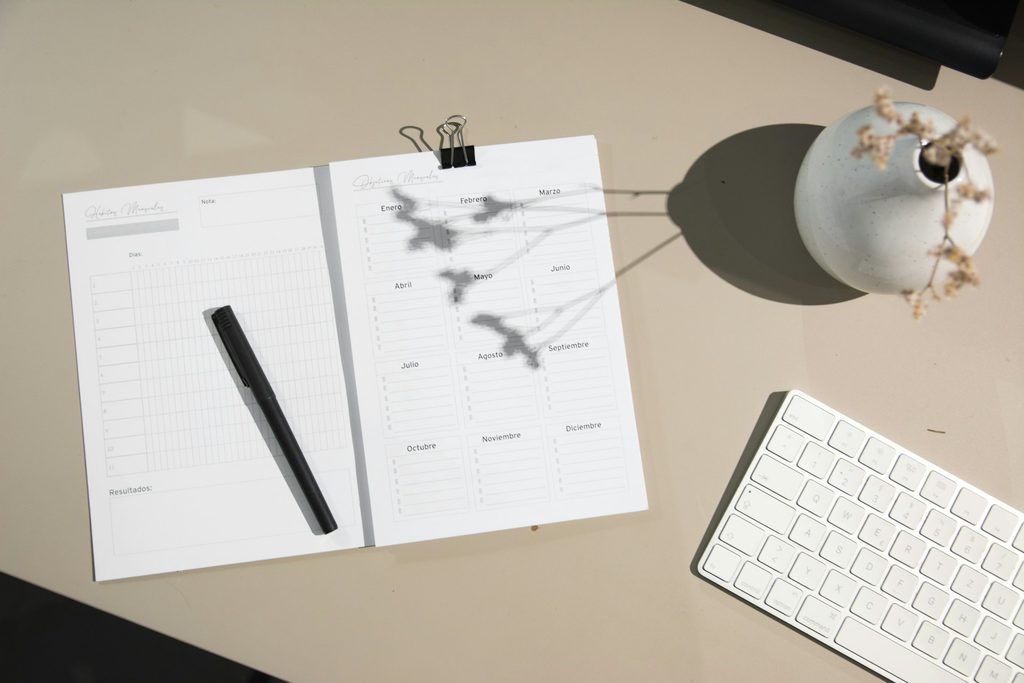
What if my job requires constant availability? Then the boundaries move rather than disappear. Protect the hours outside work, use separate devices or separate profiles if you can, and agree with colleagues on what genuinely counts as urgent. Most roles that feel like they demand instant replies turn out not to when the expectation is discussed.
Are screen time apps and blockers useful? They help as scaffolding while a new habit forms, especially the ones that add friction rather than hard blocks. They are less useful as a permanent solution, because anything you can switch off in two taps eventually gets switched off. Physical arrangements outlast software ones.
How long before it feels normal? Most people report that the acute discomfort fades within a week and that the new pattern feels natural after three or four. The reflex to reach for a phone can persist for longer, which is normal and not a sign of failure.
Is this realistic with children in the house? It is arguably more important there, since household norms are learned rather than taught. Family-wide arrangements such as no phones at the table and a charging station in the hallway work better than individual rules, and they apply to adults too.
Digital minimalism is less a lifestyle than a series of small decisions about where your attention goes and who gets to direct it. Turn off the notifications, move the apps, put the phone in another room at night, and decide in advance what the reclaimed hours are for. Everything else is refinement.