


Evening routines get a fraction of the attention that morning routines enjoy, which is strange, because the evening is where tomorrow is actually decided. The quality of your sleep, the calm or chaos of your next morning, and half of your daytime energy are all set in the two hours before bed.
And then autumn arrives and raises the stakes. Days shorten, darkness lands mid-afternoon, and the evening suddenly stretches from five o’clock to midnight, a long corridor that either restores you or quietly drains you into a scrolling stupor.
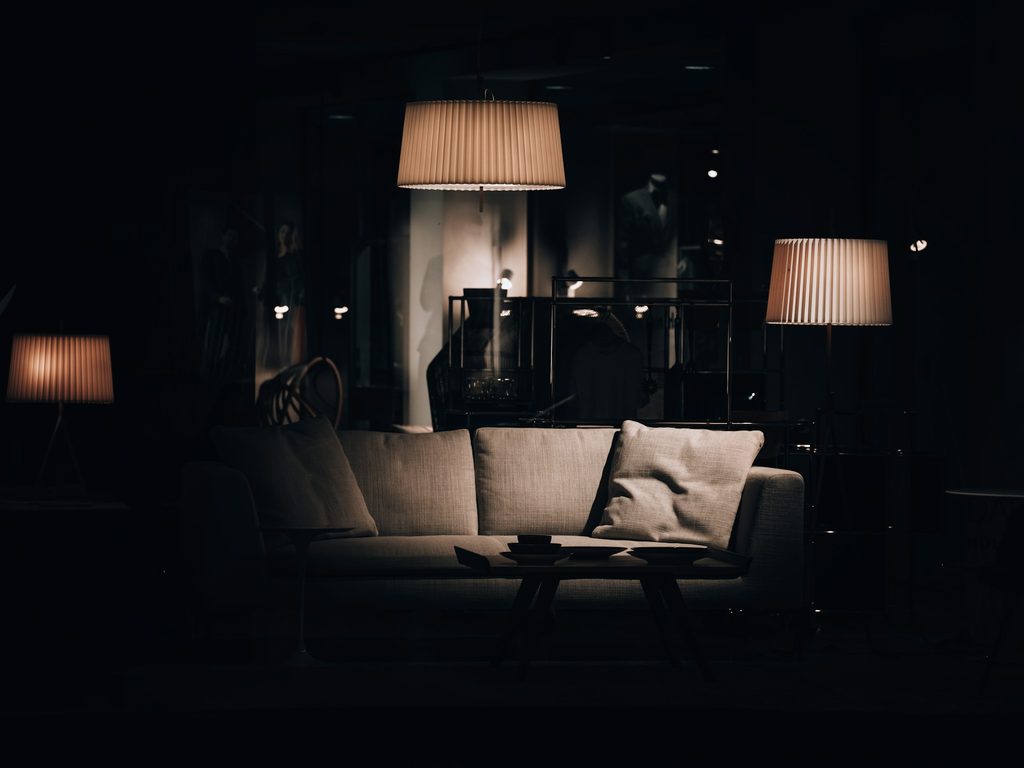
This guide covers seven habits that turn those darker hours into an advantage, drawn from sleep science and from the boring, repeated experience of people who feel good in November. At the end, a short list of things to avoid after 8 p.m., because subtraction matters as much as addition.
None of it requires waking at five or journaling by candlelight. The best evening routines are simple, slightly ritualistic, and built for tired people, which is exactly who we all are by evening.
Why evenings matter more in fall and winter?
Your body runs on light. The internal clock that governs sleepiness, hormone release, and energy takes its cues from brightness, and when daylight shrinks, that clock loses its strongest signal.
The result is the familiar autumn package, earlier fatigue, later bedtimes anyway, groggier mornings, and the vague heaviness that gets blamed on the weather. Researchers estimate that a large share of people feel a measurable seasonal dip in mood and energy, well short of anything clinical, but real enough to notice by mid-November.
Evening routines are the counterweight. When the environment stops providing structure, the routine provides it instead, telling the body when the day ends, when to wind down, and when sleep begins. Consistency, it turns out, is the whole trick, because the internal clock loves nothing more than repetition.
Fun fact, before electric light, people in northern latitudes commonly slept in two shifts, an early sleep and a late one, with a quiet hour of wakefulness between them. Historians dug the pattern out of old letters and court records, a reminder that the standard eight-hour block is younger than we think.
There is also a psychological angle. An evening with a shape, even a loose one, converts the long dark hours from a void to be filled into time that belongs to you. That reframe alone improves how autumn feels, and it costs nothing.
7 evening habits for darker, shorter days
The habits below are ordered the way an evening actually unfolds, from the end of work to lights out, so the list doubles as a template. Take what fits, skip what does not, and remember that the best evening routines are the ones still running in February.
1. Set a shutdown moment for the workday
The single most powerful evening habit happens before the evening properly starts, a deliberate moment when work ends. Remote and hybrid work dissolved the commute that used to draw this line, so the line must now be drawn by hand.
The ritual can be tiny. Write tomorrow’s top three tasks, close the laptop fully, say a phrase if you like, and change clothes or rooms. The point is a repeatable signal that tells the brain the shift is over.
Without it, work leaks into the whole evening as background static, half-checked messages and mental drafting in the shower. With it, the evening actually begins, and researchers who study recovery keep finding the same thing, that detaching from work predicts next-day energy better than almost anything else.
2. Fight darkness with light, on a schedule
In autumn, light becomes a tool to manage rather than a given. The goal is a bright first half of evening and a dim final hour, mimicking the sunset your window no longer provides.
Early evening, keep rooms properly lit so the dark afternoon does not drag you into sleep mode at six. Then, about an hour before bed, flip the scene, lamps instead of ceiling lights, warm tones instead of blue, screens dimmed or down.
That fading light is a signal your body has understood for a hundred thousand years. People who add this one habit routinely report falling asleep faster within a week, no supplements required.
3. Eat and drink like sleep depends on it, because it does
The evening’s chemistry sets up the night’s sleep, and three inputs matter most, caffeine, alcohol, and meal timing. Caffeine has a half-life of five to six hours, meaning the four o’clock coffee is still half-active at nine, so a mid-afternoon cutoff is the simplest sleep upgrade available.
Alcohol is the trickier one, because it genuinely helps you fall asleep and then quietly wrecks the second half of the night, fragmenting exactly the sleep phases that restore you. An evening glass now and then is life, a nightly one is a sleep tax.
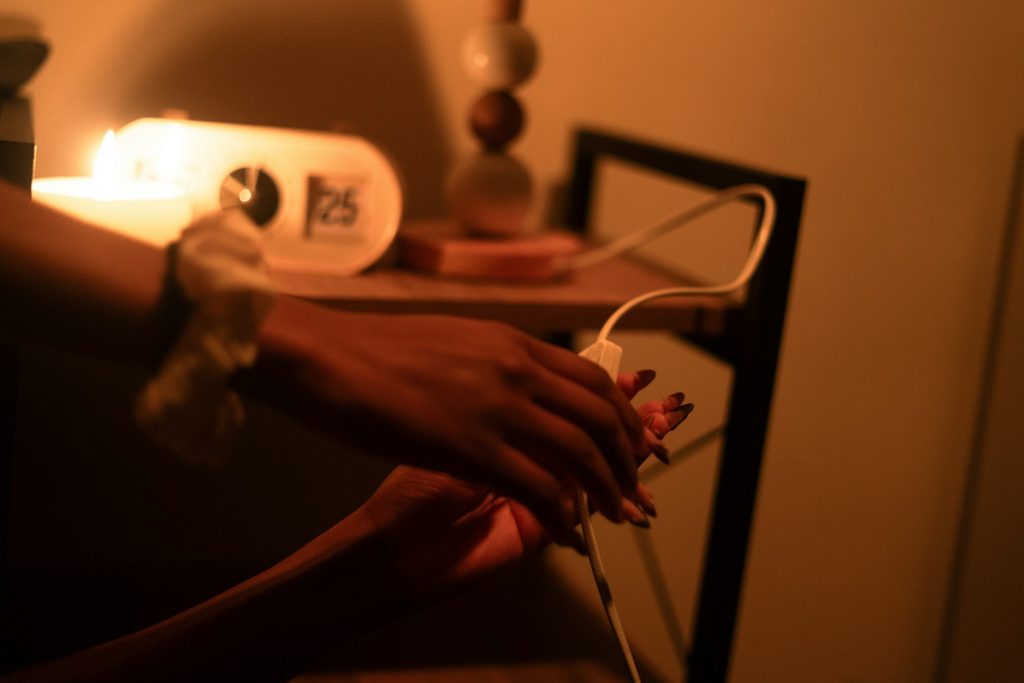
Dinner works best two to three hours before bed, warm and moderate. Autumn helpfully agrees, since soups and stews are both seasonal and exactly what an evening body digests well.
4. Build a wind-down hour you actually enjoy
The final hour before bed decides how the night starts, and the best evening routines treat it as protected territory. The formula is simple, screens fade out, something analog fades in, and the something should be genuinely pleasant, not virtuous.
Reading fiction, stretching, a bath or shower, music, a puzzle, ten minutes of tidying so tomorrow starts clean, light conversation, all qualify. The warmth trick deserves special mention, because a hot shower or bath an hour before bed triggers a drop in core temperature afterward that reliably makes people drowsy.
This is also why cooler bedrooms improve sleep. The body needs to shed heat to enter deep sleep, and a room around 18 degrees Celsius helps it along, which makes autumn, for all its faults, objectively the best sleeping season of the year.
If a full hour sounds impossible, start with twenty minutes. The consistency of the ritual matters far more than its length.
5. Park your worries on paper
Autumn evenings are prime time for rumination, because darkness plus quiet equals a brain that suddenly remembers every unfinished task and unresolved conversation. The counter-move is old, cheap, and heavily supported by research, write it down.
Two minutes before the wind-down hour, list tomorrow’s tasks and any open loops on paper. Studies on this exact practice found that people who wrote to-do lists before bed fell asleep measurably faster than people who journaled about the finished day, because the list convinces the brain the loops are stored and can be released.
For heavier worries, the same principle scales up, a designated worry slot earlier in the evening, fifteen minutes with a notebook, after which the topic is officially closed for the night. It sounds too simple to work, and it works anyway.
6. Keep one bedtime, even on weekends
If evening routines have a spine, it is a consistent sleep schedule, and the part everyone resists is that it includes weekends. Sleeping in on Sunday feels like a reward and functions like a mini jet lag, sliding the internal clock late just in time for Monday’s alarm to feel brutal.
The realistic rule is a bedtime window of about thirty minutes, kept seven nights a week, with wake time held even steadier than bedtime. Within two or three weeks of this, most people stop needing an alarm to feel awake, which is the body’s way of saying thank you.
Autumn is the easiest season to start, since the early darkness naturally nudges everyone toward earlier evenings. Ride that push instead of fighting it with more lamps and more episodes.
7. End the day on a deliberate note
The last minutes before sleep are disproportionately powerful, because whatever occupies them tends to echo through the night. Ending on news or feeds means ending on alarm and comparison, which is a poor lullaby.
The alternative takes one minute, a short gratitude note, three lines about the day, a page of an easy book, or simply a slow breath routine, four counts in, six counts out, repeated until the shoulders drop. Choose one, keep it identical every night, and let it become the period at the end of the day’s sentence.
Small closing rituals sound sentimental until you try them for two weeks. Then they become the part of the evening you would defend in a fight.

A sample evening, assembled
To make it concrete, here is how the seven habits stack into an ordinary autumn evening, adjustable to any schedule:
- 17:30 – shutdown ritual, tomorrow’s top three written, laptop closed
- 18:00 – bright rooms, movement or errands, dinner on the earlier side
- 20:00 – worry list if needed, two minutes, notebook closed
- 21:00 – lights go warm and low, screens retire, wind-down hour begins
- 21:45 – warm shower, cool bedroom, easy book
- 22:15 – one-minute closing ritual, same every night
- 22:20 – lights out, same time tomorrow, weekends included
Nobody follows a plan like this perfectly, and nobody needs to. Hitting the shape of it five nights out of seven is enough for the compounding to start.
What to avoid after 8 p.m.
Finally, the subtraction list, because a good evening is defined as much by what it excludes:
- the third coffee’s little brother, late tea, cola, energy drinks, and dark chocolate all carry enough caffeine to matter
- doomscrolling and heated feeds, which hand your last waking hour to an algorithm optimized for agitation
- hard exercise right before bed, since intense training late revs the system, while gentle stretching does the opposite
- big decisions and difficult conversations, because a tired evening brain catastrophizes, and the same topic shrinks by morning
- working from bed, which teaches the brain that the mattress is an office, a lesson it learns depressingly fast
- one more episode as a default, fine as a choice, corrosive as an autopilot
The quiet promise of evening routines is that they pay twice. The night improves first, and then the mornings follow, arriving with more energy than any 5 a.m. bootcamp ever delivered, because they were built the night before. Darker, shorter days are coming either way. Build the evening that meets them, and autumn stops being something to endure and starts being the coziest quarter of the year.