


In the context of life development, learning how to stay consistent is one of the most powerful skills you can build. It’s not about being perfect – it’s about coming back, again and again, even when motivation fades.
Staying consistent is often the missing link between good intentions and real transformation. Goals are easy to set, but showing up day after day is what separates dreamers from achievers.

7 Strategies On How to Stay Consistent
This clear and engaging guide dives into the art of building consistency, offering practical strategies, real-life examples, and step-by-step actions you can immediately put into practice.
It explores how commitment, structure, and mindset work together to create sustainable habits that last.
Whether you’re striving to reach personal goals, strengthen your routines, or improve professional performance, this guide helps you turn determination into steady daily progress.
1. Start with Ridiculously Small Steps
Big goals kill discipline. When you tell yourself “from tomorrow I’ll exercise 1 hour daily,” your brain sees it as a threat, not a choice. Consistency habits are built with tiny, almost laughably simple steps.
- Instead of: “I’ll write 1000 words daily,” start with: “I’ll write 50 words daily.”
- Instead of: “I’ll meditate 20 minutes,” start with: “I’ll sit and breathe calmly for 2 minutes.”
These micro-tasks build personal consistency because you can do them even on your worst days. Repeat them for 20–30 days, and they become automatic – then slowly scale up.
2. Link Habits to Your Existing Routine
People who master building consistency rarely force habits into their day – they attach them to something they already do. This is called “habit stacking.”
Examples:
- After morning coffee → 5 minutes of reading or daily planning.
- After brushing teeth at night → 2 minutes of gratitude journaling.
- After work → 10 minutes of phone-free walking.
This way, the focus isn’t on willpower, but on gluing the new habit to an old one. Every existing routine becomes an anchor for the new.
3. Create an Environment That Works for You, Not Against You
We often think we “lack character,” when really we lack good context. Personal consistency heavily depends on what you see around you.
- If your phone is by your bed, you’re more likely to scroll instead of reading.
- If your weights or yoga mat are ready in the living room, you’re more likely to do a quick workout.
In practice:
- Remove distractions: turn off notifications, delete time-stealing apps.
- Prep items in advance: lay out workout clothes, leave your notebook on the desk, open your writing document.
- Create a “work zone” and “rest zone” – and try not to mix them.
An environment that supports your habits makes staying consistent easier than quitting.
4. Focus on Identity, Not Just Goals
People often say: “I want to lose 5 kilos” or “I want to read 20 books yearly.” These are goals, but life development advances more powerfully when you think in identity terms:
- “I’m someone who takes care of their body.”
- “I’m someone who learns every day.”
When every small action becomes a vote for that identity (5 pages read, 10 squats, 5 minutes of writing), it becomes important not to “betray” your self-image. Instead of asking “Do I have the will?”, you ask: “What would the person I want to be do right now?“
5. Use the “Never Skip Twice” Rule
Everyone slips sometimes. Someone calls, you get sick, you’re late… and the habit falls through that day. That’s when most people abandon consistency habits because they think: “It’s over, I’ve ruined everything.”
Introduce a simple rule:
You can skip one day – but never two in a row.
- Didn’t exercise yesterday? Today do at least 5 minutes of stretching.
- Didn’t write yesterday? Today write at least one sentence.
This rule prevents one bad day from becoming a bad week – and thus preserves your continuity.
6. Introduce External Accountability
No matter how motivated you are, it’s easiest to lie to yourself. That’s where accountability to others comes in – a powerful tool for building consistency.
Ideas:
- Arrange with a friend to train together – even online, just check “Did we do it?”
- Post publicly (on social media, newsletter): “For the next 30 days I’ll do… every day” and give regular updates.
- Pay for a class, course, or coaching – when we invest money, motivation grows to stick to the plan.
People find it harder to back out when they know someone is watching whether they’ll show up or not.
7. Measure Progress and Celebrate Small Wins
Without tracking, it’s easy to feel like “nothing’s working.” But you’re often progressing, just not recording it. Stay consistent becomes much easier when you see concrete evidence.
You can:
- Use a calendar and mark X each day you complete the habit.
- Keep a short journal: 1–3 sentences about what you did today for your growth.
- Review weekly: What did I succeed at? What can I improve slightly next week?
And absolutely – reward yourself. Not for results (e.g., kilos lost), but for consistency (e.g., 14 days in a row you did something for yourself). Small reward: new notebook, good coffee, movie, walk at your favourite spot.
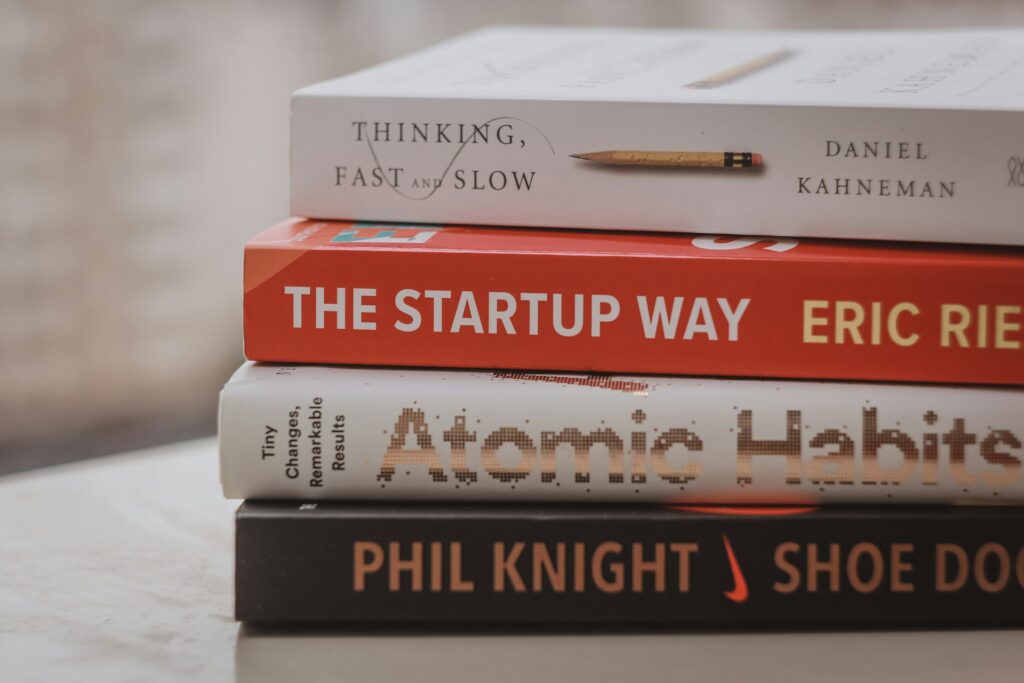
Consistency as Your Quiet Superpower
Life development isn’t a speed race, but a marathon of tiny decisions. Stay consistent doesn’t mean never falling – it means always getting back up, with even smaller and smarter steps.
Once you learn how to build consistency habits, you realize almost every goal becomes achievable – it just needs enough time.
Quick Consistency Checklist:
- Is my habit <2 minutes?
- Is my environment cued?
- Does it align with my identity?
- Do I have accountability?
- Are obstacles pre-solved?
How to Learn Consistency: A Deeper Guide + 7 Common Mistakes to Avoid
Learning consistency isn’t innate – it’s a skill you train like any other. It starts with understanding why you falter, then systematically rewiring your habits.
Below, we expand on building consistency through structured learning phases, followed by the most common mistakes people make when trying to stay consistent in their life development.
How to Learn Consistency: The 4-Phase Training System
Think of personal consistency as a muscle. You don’t lift 200kg on day one – you progressively overload. Here’s a proven framework to develop it over 90 days.
Phase 1: Awareness (Days 1-14) – Understand Your Patterns
- Goal: Spot why you quit without judgment.
- Daily practice (5 min): Evening journal: “What did I complete? What pulled me away? Mood/energy level?”
- Key insight: Track triggers – fatigue (60% of quits), distractions (25%), perfectionism (15%).
- Milestone: Identify your top 3 derailers (e.g., “phone after 5pm,” “no plan Sundays”).
Phase 2: Micro-Training (Days 15-45) – Build the Skill
- Goal: Wire neural pathways with stupidly small wins.
- Rule: Habits under 2 minutes only. Examples: “Floss one tooth,” “Drink one glass water.”
- Tool: Habit stacking + visual chain (X calendar). Never break chain twice.
- Science: Habits form in 18-254 days (average 66, UCL study). Micro wins hit dopamine faster.
- Progress check: 80% completion rate → add 30 seconds to each habit.
Phase 3: Environment Mastery (Days 46-75) – Scale Without Willpower

- Goal: Make consistency automatic, not effortful.
- Audit & redesign: Remove 3 friction points weekly (e.g., app limits, prepped gym clothes).
- Accountability layer: Tell 1 person your weekly goal. Share proof Sundays.
- Advanced: Temptation bundling – pair “pain” (work) with “pleasure” (music).
- Milestone: Do habits in new locations (travel, holidays) without breaking streak.
Phase 4: Identity Lock-In (Days 76+) – Make It Who You Are
- Goal: Shift from “I should” to “I am.”
- Daily affirmation: After habit, say: “I’m someone who [finishes what they start].”
- Evidence collection: Monthly review video/log: “30 days ago vs. now.”
- Test: Raise stakes – public 30-day challenge. Recovery from slips <24h.
- Long-term: Consistency transfers across domains (gym → work → relationships).
Pro Tip: Use the “consistency compound calculator”: 1 pushup/day = 365/year. 2 min reading = 1 book/month. Small math motivates.
7 Most Common Mistakes People Make (And Exact Fixes)
Even smart people derail consistency habits. Here’s what kills momentum – and how to bulletproof against it.
1. Starting Too Big (80% Failure Rate)
- Mistake: “I’ll run 5km daily” → quits after day 3 from soreness/burnout.
- Why: Brain rebels against massive change (ego depletion).
- Fix: 2-minute version: “Put on running shoes.” 90% become full runs.
2. Relying on Motivation, Not Systems
- Mistake: “I’ll workout when I feel like it” → skips rainy days.
- Why: Motivation fluctuates; habits don’t.
- Fix: Time/environment trigger: “6pm shoes on, no excuses.” Prep night before.
3. Zero Tracking or Accountability
- Mistake: “I’ll just remember” → vague progress, easy to abandon.
- Why: Invisible wins don’t reinforce (no dopamine loop).
- Fix: Physical chain + 1 accountability text daily: “Day 5 done ✅”
4. All-or-Nothing Perfectionism
- Mistake: Miss one day → “Failed, restart Monday” (breaks streak).
- Why: Cognitive distortion – 99% becomes 0%.
- Fix: “Never miss twice” rule. Scale down 50% after slips, rebuild fast.
5. Ignoring Energy Cycles
- Mistake: Schedule workouts 9pm when exhausted.
- Why: Willpower lowest evenings (decision fatigue).
- Fix: Match habits to peak energy: Morning people → AM exercise; night owls → PM reading.
6. Environment Sabotage
- Mistake: Phone beside bed → endless scrolling vs. sleep routine.
- Why: Cues drive 45% of behavior (Duke study).
- Fix: Weekly friction audit: Move 1 obstacle, add 1 cue → 30% adherence boost.
7. No Celebration or Identity Shift
- Mistake: Grind silently → burnout, no intrinsic joy.
- Why: No reward loop or self-concept update.
- Fix: Tiny ritual post-habit: Fist pump + “I’m consistent!” Collect weekly evidence.
Quick Recovery Protocol:
| Mistake Spotted | Day 1 Fix | Prevention |
|---|---|---|
| Too big | Shrink 90% | Always 2-min test |
| No tracking | Start chain NOW | App + friend |
| Perfectionism | Do 10 seconds | “Progress > perfect” |
| Wrong timing | Shift to peak energy | Weekly energy log |
Learning consistency feels restrictive initially, but unlocks freedom long-term. You stop fighting yourself. Habits run automatically while you focus on bigger life development goals.
Pick ONE phase above. Start tonight with one 2-minute habit. In 90 days, you’ll wonder how you ever lived inconsistently. Stay consistent – compound growth changes everything.