


Mind mapping serves as a dynamic visual technique that organizes information in a way that aligns with the brain’s natural associative processes. Developed by Tony Buzan in the 1970s, this method transforms linear thinking into a radial, branching structure centered around a core idea, incorporating colors, images, and keywords to foster creativity and retention.
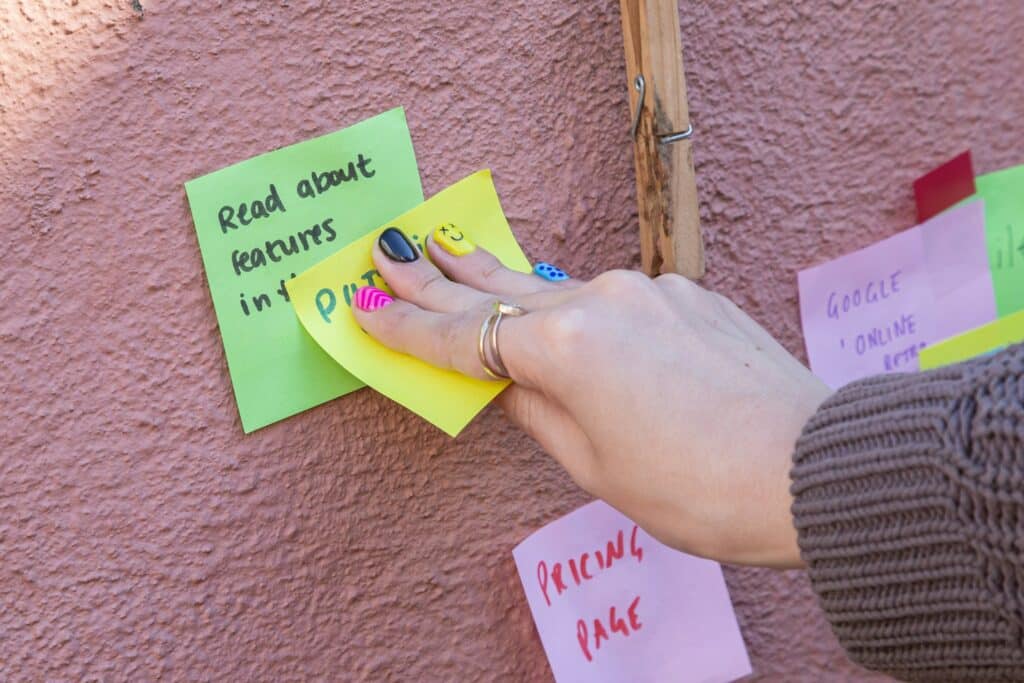
For individuals pursuing life development, mind mapping offers a bridge between structured planning and intuitive insight, making complex goals more approachable and emotionally resonant.
Research underscores its value: studies show it improves memory recall by 10-15% and promotes meaningful learning by connecting new concepts to existing knowledge. As you explore this article, consider how integrating mind mapping could clarify your path forward—turning abstract aspirations into tangible steps.
The Science Behind Mind Mapping’s Effectiveness
At its core, mind mapping leverages cognitive psychology principles, such as dual-coding theory, where visual and verbal information reinforce each other for better comprehension. Tony Buzan’s approach draws from neuroscience, emphasizing radiant thinking—ideas branching outward like neural networks rather than rigid lists. Empirical evidence supports this: a 2002 study by Farrand, Hussain, and Hennessey found medical students using mind maps retained factual information 10% better long-term, attributing it to deeper processing.
This technique excels in education and self-improvement by enabling meaningful learning over rote memorization. Learners connect disparate ideas visually, sparking creativity—a 50% reported increase among users—and simplifying complex topics like strategic planning or historical analysis. Imagine applying this to your own challenges: what scattered thoughts might organize into breakthroughs?
Integrating Emotional Intelligence Through Visual Thinking
Emotional intelligence (EI)—the ability to recognize, understand, and manage emotions—pairs seamlessly with mind mapping, as it externalizes internal states for reflection. By color-coding branches (e.g., red for urgency, green for opportunities), users map not just tasks but feelings, revealing patterns like recurring anxieties or motivations. This practice fosters self-awareness, a cornerstone of EI, allowing compassionate reframing of obstacles.
Studies highlight its impact: mind maps help process emotional data holistically, enhancing decision-making and empathy in team settings. For personal growth, this means aligning goals with emotional drivers—consider mapping a career transition, where branches reveal fears alongside excitements, guiding balanced action. Such integration motivates sustained effort, as emotional clarity fuels resilience.
Step-by-Step Guide to Creating Effective Mind Maps
Creating a mind map begins with selecting a medium—paper for tactile flow or digital tools like XMind, MindMeister, or Coggle for collaboration and expandability. Here’s a structured yet flexible process grounded in Buzan’s principles:
- Establish the central node: Place your core theme (e.g., “Career Advancement”) in the center, illustrated boldly to engage visual memory.
- Develop primary branches: Extend 4-7 curved lines for major categories, using one- or two-word labels like “Skills Gap” or “Network Building.” Thickness denotes priority.
- Expand sub-branches: Add details, actions, and interconnections; incorporate symbols for quick recall and emotions for depth.
- Enhance with visuals: Apply colors for associations (e.g., blue for logic), images for retention—research shows this boosts engagement by making learning active.
- Iterate and connect: Review for gaps, link related ideas with arrows, and update periodically to reflect progress.
This method, validated in educational research, cuts study time while improving efficiency—ideal for goal setting in self-development. Practice it today, and notice how ideas flow more naturally.
Mind Mapping for Goal Setting and Creative Problem-Solving
In goal setting, mind mapping operationalizes frameworks like SMART goals visually, breaking ambitions into actionable clusters. For instance, a “Health Transformation” map centers the objective, with branches for nutrition, exercise, and mindset—each linking metrics, barriers, and motivators. Evidence from user studies shows this enhances achievement by clarifying paths and tracking milestones, reducing overwhelm.
For creative problem-solving, it promotes lateral thinking: mapping a challenge like “Team Conflict” reveals root causes, perspectives, and solutions holistically. Surveys indicate improved understanding of complexities, with users reporting better-structured outcomes in writing and projects. This dual application motivates by celebrating small wins—try mapping one goal this week to experience the momentum.
Applications in Learning and Self-Development
Mind mapping revolutionizes learning by fostering holistic comprehension across disciplines. In education, it outperforms linear notes: a study found it streamlined essay planning, yielding more coherent, detailed work. For self-development, users track habits, values, and progress—branching “Lifelong Learning” into skills, resources, and reflections enhances retention by 32% via connections.
Professionals like medical students and project managers use it for complex synthesis, with digital versions adding interactivity for neurodiverse learners. Lifelong application builds resilience: as Dr. Brooke Marron noted in med school, it turned lectures into retained insights. Incorporate it into reading or planning, and watch knowledge compound.
Real-World Evidence: Success Stories and Research Insights
Real-world validation abounds. Andy Wynd at an automotive firm used MindGenius for strategic mapping, streamlining decisions; Sharon Driver boosted team engagement visually. In academia, Tim Fenn’s students preferred digital mind maps for deep learning, outperforming podcasts in engagement.
Research aggregates benefits: improved recall, creativity, and problem-solving—Frey’s 2017 survey cited better complex issue grasp; Nulab’s review lists 13 science-backed gains, from collaboration to decision-making. These stories inspire: ordinary users achieve extraordinary clarity, proving mind mapping’s transformative potential in personal and professional spheres.
Advanced Tools and Best Practices for 2025
Modern tools amplify mind mapping: Zapier’s 2025 picks include Ayoa for AI-assisted brainstorming, MindNode for seamless syncing, and free options like Coggle for unlimited basics. Best practices blend research with intuition:

- Daily integration: Morning maps for priorities; evening reviews for emotional check-ins.
- Collaboration features: Shared maps foster teamwork, aligning with EI principles.
- Multimedia enhancement: Embed links or images for richer context, boosting retention.
- Hybrid approaches: Scan paper maps into apps for portability.
- Measurement: Track progress quantitatively—e.g., completed branches as KPIs.
These elevate idea organization, ensuring sustained motivation. Experiment with one tool to customize your workflow.
Overcoming Common Challenges and Long-Term Strategies
Beginners often face “blank page syndrome,” but starting with a timer (5 minutes) builds momentum—research confirms iterative mapping deepens processing. Digital overload? Stick to 3-5 branches initially. For motivation dips, infuse personal “why” statements emotionally.
Long-term, evolve maps into living documents: quarterly audits reveal growth patterns, reinforcing self-efficacy. Studies affirm consistency yields compounding benefits in creativity and efficiency. Address these hurdles proactively, and mind mapping becomes a lifelong ally.
Conclusion: Embrace Mind Mapping for Lasting Transformation
Mind mapping transcends tools—it’s a cognitive framework blending science, emotion, and action for profound life development. From Buzan’s radiant principles to 2025’s digital innovations, its benefits—enhanced memory, creativity, EI—are empirically robust.
Integrate it thoughtfully: start small, reflect often, and witness clarity emerge. Your potential awaits in those branches—unlock it with intention and curiosity.
Mind Mapping Best Practices Table
This table outlines key best practices for effective mind mapping, drawn from established techniques by Tony Buzan and modern research. It balances structure with creativity to enhance retention, clarity, and motivation in personal development.
| Category | Best Practice Advice | Why It Works |
|---|---|---|
| Central Node | Use a bold image or 1-3 word phrase for the core idea (e.g., “Career Growth 2026”). | Grabs visual attention; boosts memory by 10-15% via dual-coding. |
| Branching | Limit to 3-7 thick, curved main branches; thinner sub-branches with single keywords. | Matches brain’s chunking capacity; prevents overwhelm. |
| Visuals & Colors | Assign one color family per branch; add icons/symbols on 50%+ of nodes. | Enhances recall (up to 32% improvement); groups related ideas. |
| Connections | Draw dotted arrows for overlaps; review for hierarchy (thick lines = priorities). | Reveals patterns and dependencies; fosters creative problem-solving. |
| Iteration | Update weekly; merge similar ideas using MECE principle (mutually exclusive, exhaustive). | Evolves map as living tool; sustains long-term motivation. |
| Tools Integration | Start on paper, scan to apps like XMind; embed links/images for depth. | Combines tactile flow with digital expandability. |
Weekly Mind Mapping Schedule for Personal Growth
Incorporate mind mapping into your routine with this flexible 7-day schedule. It builds habits progressively, allocating 10-20 minutes daily to align with goal setting and emotional reflection—research shows consistent practice yields compounding cognitive benefits.

| Day | Focus Area | Schedule & Activity Example | Expected Outcome |
|---|---|---|---|
| Monday | Goal Setting | Morning: Map weekly priorities (center: “Week Wins”). | Clarity on top 3 objectives. |
| Tuesday | Learning/Reflection | Evening: Map a book chapter or skill (add emotional colors). | 20% better retention. |
| Wednesday | Problem-Solving | Midday: Map a challenge (branches: causes, solutions). | Fresh perspectives unlocked. |
| Thursday | Self-Development Review | Morning: Update prior maps; note progress/emotions. | Boosted emotional intelligence. |
| Friday | Creative Brainstorming | Evening: Free-form map for ideas (e.g., “Side Hustle Sparks”). | Idea organization surge. |
| Saturday | Relationships/Wellness | Afternoon: Map personal connections or health plan. | Balanced life insights. |
| Sunday | Weekly Audit & Plan | Evening: Merge maps; set next week’s central theme. | Momentum for sustained growth. |