


A someday shelf is more than just a storage concept—it’s a mental permission slip that frees you from the obligation to act on every good idea immediately. Think of it as a dedicated space—physical, digital, or mental—where you park projects, ideas, and goals that matter to you but don’t belong on your active task list right now.
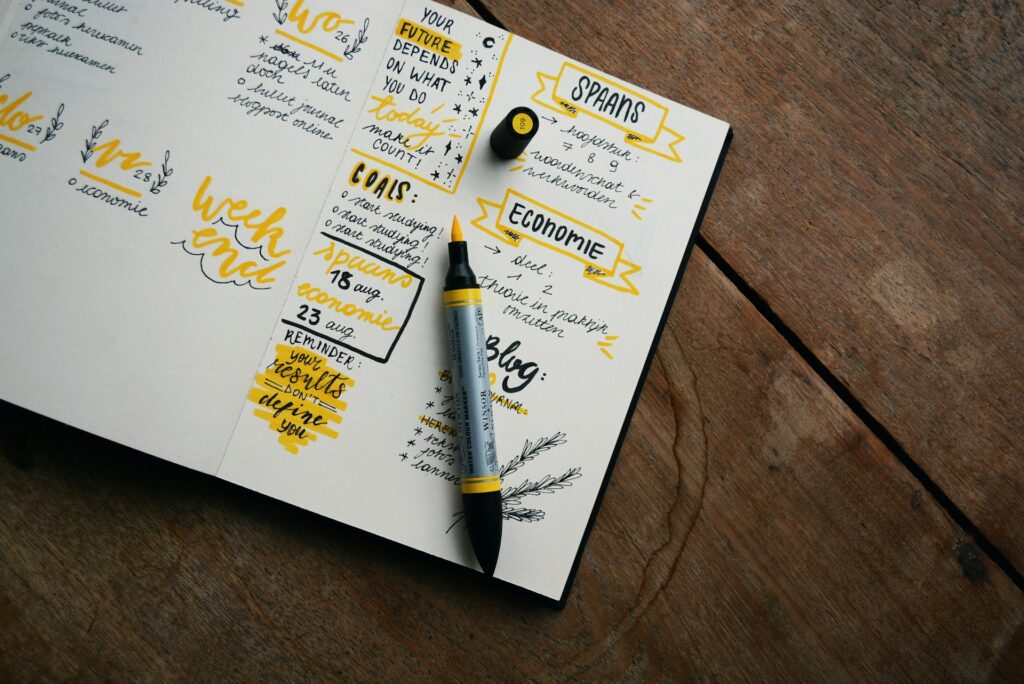
The someday shelf represents the gap between “interesting” and “important,” and learning to distinguish between them is one of the most underrated productivity breakthroughs you can make.
The someday shelf works in tandem with a someday list (where you capture all the projects you’d love to pursue) and a maybe list (where you note ideas you’re genuinely undecided about). Together, they form the foundation of what’s known as productive procrastination—the strategic decision to say “not now” instead of “no”—which allows you to practice better priority management without guilt or burnout, even for those who struggle with neurodivergent conditions (OCD, ADHD and so on).
Why Your Brain Needs a Someday Shelf
Your mind is designed to capture every idea that floats by. The problem? Without a designated place to store these ideas, they pile up in your mental RAM, consuming energy and creating what productivity experts call “open loops.” These open loops generate anxiety because your subconscious refuses to let them go. You’re not lazy; you’re mentally overwhelmed.
A someday shelf solves this by giving your brain permission to release ideas temporarily, knowing they won’t be lost. The psychological relief is immediate. You stop feeling guilty about unfinished projects and start feeling intentional about the ones you’re actually pursuing.
The Core Difference: Someday List vs. Maybe List
Understanding the difference between a someday list and a maybe list is crucial for making this system work.
Your someday list contains projects and ideas you’re committed to—eventually. These are goals you genuinely want to pursue, but the timing isn’t right. Examples might include “Write a novel,” “Start a podcast,” or “Learn French.” These items belong on the someday shelf because they’re aligned with your values; they’re just not in your current season.
Your maybe list contains ideas you’re genuinely uncertain about. You captured them because they sparked interest in a specific moment, but you’re not sure if they truly deserve your time and energy. Examples might include “Take a glass-blowing class,” “Start a newsletter,” or “Organize a book club.” The maybe list is your testing ground. Ideas live here until you get clarity on whether they’re worth pursuing.
The practical difference: Review your someday list quarterly to see if any items are ready to move into active projects. Review your maybe list less frequently—perhaps every six months—because these items don’t need to be prioritized yet. Many will naturally fade away, which is perfectly fine.
How Productive Procrastination Protects Your Energy
Productive procrastination is the intentional act of deferring good ideas so you can focus on great ones. It’s not avoidance; it’s strategy.
Here’s the distinction: procrastination usually gets a bad reputation because people procrastinate on important tasks to do unimportant ones (scrolling social media, reorganizing your desk for the third time). Productive procrastination flips this. You defer a secondary-but-good idea to focus on a primary-and-essential one.
For example, imagine you’re building a YouTube channel (which aligns with many creators’ goals). You have dozens of video ideas. Productive procrastination means you acknowledge that all these ideas are genuinely good—and then you consciously choose to put most of them on your someday shelf. This frees your mental and creative bandwidth to execute your top 3 video ideas with excellence rather than spreading yourself thin across 15 mediocre projects.
The magic of productive procrastination is that it works with human nature instead of against it. Rather than pretending you don’t have other interests, you’re giving them a home. This reduces the cognitive burden of managing them.
Priority Management: The Strategic Skill Behind the Shelf
Effective priority management isn’t about doing more. It’s about making deliberate choices about what belongs in your current focus area and what gets deferred.
Most people treat priority management like a numbers game: they make longer to-do lists and try to cram more into their day. This creates what researchers call “priority fatigue”—the exhaustion of constantly deciding what to do next.
A someday shelf simplifies this by creating a hierarchy of commitments:
- Active projects (currently in progress, needed within the next 4 weeks)
- Next projects (ready to start, but waiting for the active ones to finish)
- Someday projects (genuinely important, but not time-sensitive; aligned with your values)
- Maybe ideas (interesting, but still unproven)
By organizing your ideas into these categories, priority management becomes less about willpower and more about clarity. You’re not resisting temptation; you’re operating within a system that already accounts for everything.
The 5 Mistakes That Kill Your Someday Shelf System
A someday shelf is powerful—if you use it correctly. Here are the five most common mistakes that turn this tool into a source of guilt instead of freedom:

Mistake #1: Mixing Time-Sensitive Tasks with Someday Items
The biggest sabotage happens when people put tasks with actual deadlines on their someday shelf. An example: “Get the car serviced” or “Schedule the dentist appointment.” These aren’t someday items. They have time constraints, and they belong on your active to-do list or calendar.
Your someday shelf should only contain items that truly have no deadline—projects you’d love to pursue, but that won’t create consequences if you delay them by six months or a year. If an item has a date, it doesn’t belong here.
What to do instead: Use your calendar and next actions list for time-sensitive commitments. Reserve your someday shelf exclusively for projects where timing is optional.
Mistake #2: Never Reviewing Your Someday List
This is the fastest way to transform your someday shelf from inspiration into a source of anxiety. If you capture ideas and never revisit them, they calcify into guilt. You start feeling bad about all the projects you’re “not doing,” rather than feeling excited about future possibilities.
A neglected someday list becomes what productivity experts call “a digital graveyard”—a place where ideas go to die, not to wait.
What to do instead: Schedule a 20-30 minute “Someday Review” into your calendar once per quarter. During this review, you’ll:
- Remove items that no longer excite you
- Identify any items that are ready to move into active projects
- Add new items that have captured your imagination recently
- Reorganize by category (e.g., creative projects, skill-building, travel, business ideas)
This regular attention transforms your someday shelf from a guilt generator into a source of motivation and possibility.
Mistake #3: Not Distinguishing Between Your Someday List and Maybe List
When everything goes into one undifferentiated list, decision-making becomes impossible. You’re left staring at 50 ideas with no clarity on which ones matter to you versus which ones were interesting for five minutes.
This confusion destroys your ability to practice productive procrastination effectively. You end up avoiding the entire list because sorting through it feels overwhelming.
What to do instead: Create clear boundaries. Your someday list contains only ideas you’re genuinely committed to pursuing eventually. Your maybe list contains everything else. When reviewing, ask yourself: “If I had unlimited time and energy, would I pursue this?” If the answer is yes, it goes to someday. If the answer is “maybe, I’m not sure,” it goes to maybe.
Mistake #4: Putting Your Someday Ideas on Your Daily To-Do List
The sneakiest error is accidentally pulling items from your someday shelf into your daily workflow. This happens when you look at your someday list, get inspired, and immediately add three items to today’s tasks. Now you’re juggling both short-term urgency and long-term vision, which dilutes your focus.
Priority management becomes chaotic because you’re no longer clear on what’s truly urgent versus what’s theoretically interesting.

What to do instead: Keep a clear separation. Your active projects live on your daily or weekly task list. Your someday shelf remains separate. If an item moves from someday to active, that’s a deliberate decision made during your quarterly review or weekly planning session—not an impulsive choice made during your day.
Mistake #5: Using Your Someday Shelf as an Excuse to Never Act
The flip side of the problem is using your someday shelf as permission to perpetually delay. Some people keep items on their someday list for years without ever making progress, which transforms the shelf into procrastination disguised as organization.
Your someday shelf should be a waiting room, not a permanent home. The goal is to eventually move good ideas into active projects when the timing is right.
What to do instead: During your quarterly reviews, ask hard questions: “Is this item still aligned with my values?” and “Will I ever realistically pursue this?” If the answer to either question is no, delete it. If it’s still on your someday shelf after two years without moving to active status, it’s time to make a decision: commit to a start date or let it go.
An effective someday shelf requires both permission (to not do things immediately) and accountability (to actively curate and decide).
Building Your Someday Shelf: A Practical Framework
Here’s how to set up your system:
Digital Storage Options:
- Notion database (searchable, tag-able, easy to review)
- Google Sheets (simple, accessible, easy to sort)
- Todoist (integrates with your task management)
- Dedicated app like Someday or Fantastical (purpose-built for this)
Organization by Category:
Structure your someday shelf so you can find items easily and understand why they matter. Common categories include:
- Creative projects
- Skill-building and learning
- Travel and experiences
- Business and career
- Health and fitness
- Relationships and personal growth
The Review Rhythm:
Set a recurring calendar event for a quarterly “Someday Shelf Review.” During this 30-minute session:
- Review each item and rate it on a scale: “Still interested” or “Not relevant anymore”
- Delete the items that no longer excite you
- Check if any items are ready to become active projects
- Add new items you’ve captured over the past three months
The Real Power of Saying “Someday”
The someday shelf is fundamentally about honoring your full self. You’re a person with multiple interests, ambitions, and curiosities. You don’t have to pursue all of them right now. By creating a structured place for them, you’re practicing productive procrastination—not in a guilty, avoidant way, but in an intentional, strategic way.
Good priority management isn’t about having fewer ideas. It’s about having a system that lets you hold all your ideas without letting any of them consume your mental energy. Your someday shelf does exactly that. It says: “This matters to me. I’m choosing not to pursue it today. And I won’t forget about it.”
That’s not procrastination. That’s wisdom.